Genetic gain is directional and permanent . You can make the progeny of your cattle better or worse and those genetic changes are permanent .
You cannot improve or change something you can’t measure. To evaluate anything objectively, it needs to be measured.
We all look at a bull or cow or dog or cat and see what we think is a “good “animal. This is our subjective opinion. However, on looks alone, we cannot tell whether this animal is fertile for example, or has good growth, or what their temperament is like. These attributes may be what we are looking for in our herd. In order to take away subjectivity, it is important to utilise objective measurements to get a more accurate idea of what an animal’s characteristics are really like.
Measuring removes our personal bias or our inability to estimate when we are measuring something. It removes our subjective interpretation and makes analysis objective. It is only possible to truly gauge improvement or change in a trait if it is measured.
Because genetic gain is directional and permanent, you can make the progeny of your cattle better or worse and those genetic gains are permanent. It is therefore important to measure traits you find desirable to remain in your herd.
The fundamental principle of the Belmont is that objective measurements are used to select animals to advance or improve the herd. When selecting cattle we measure a selection of traits which we find desirable for our herd. These are submitted to ABRI and analysed.
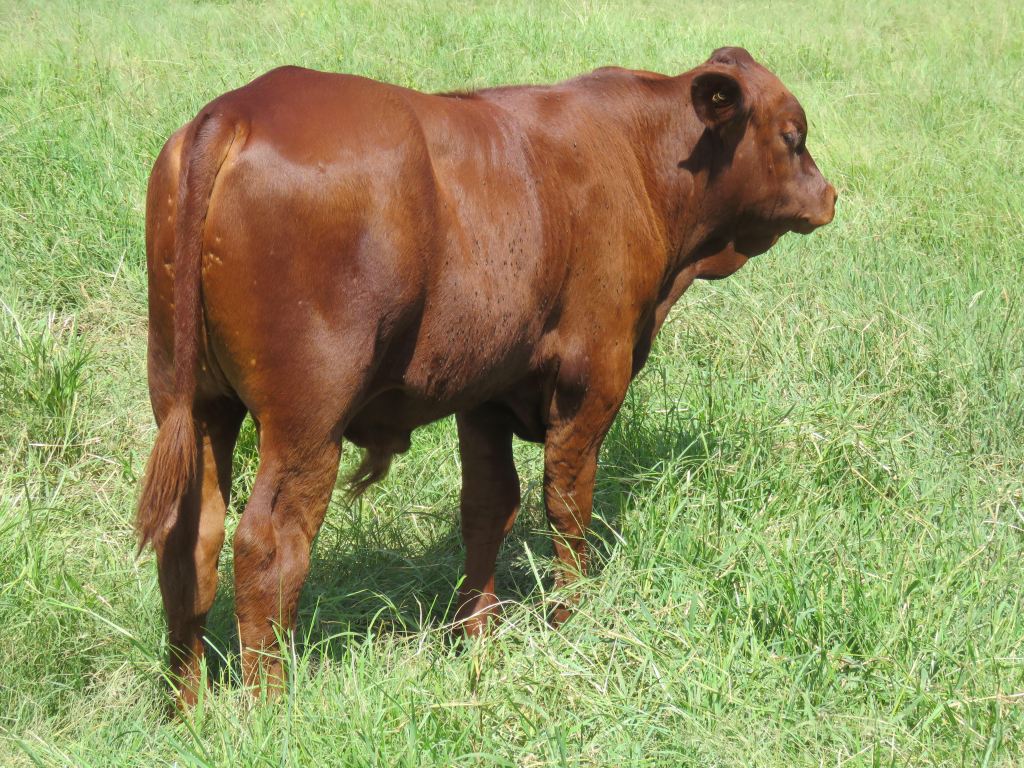
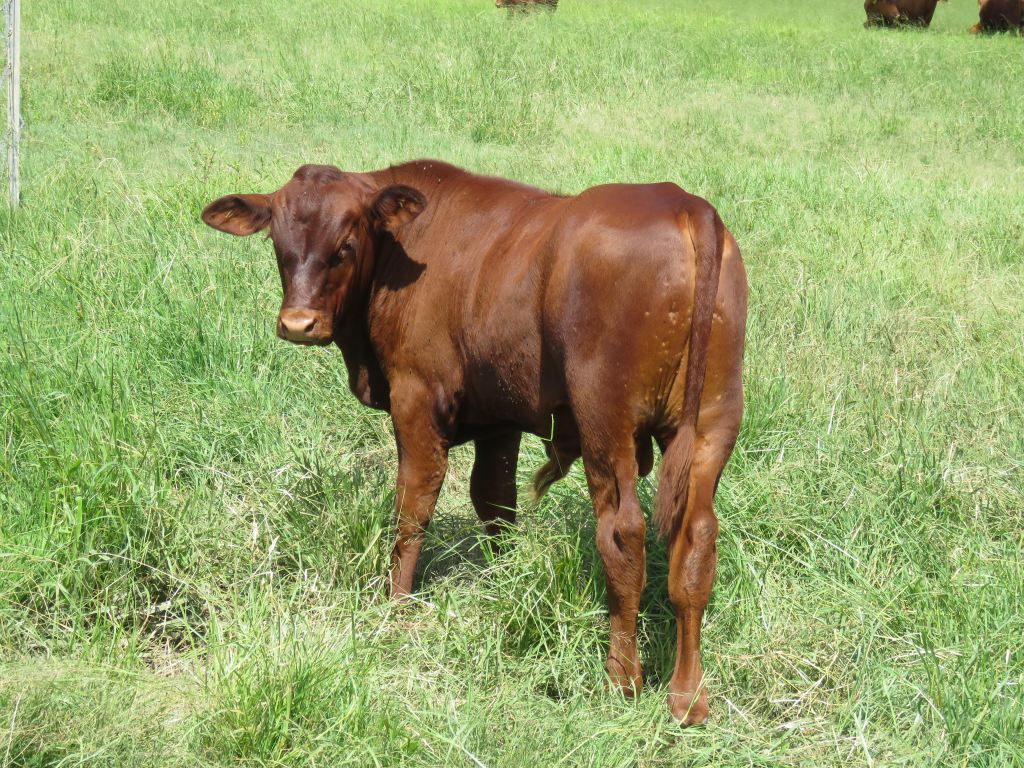
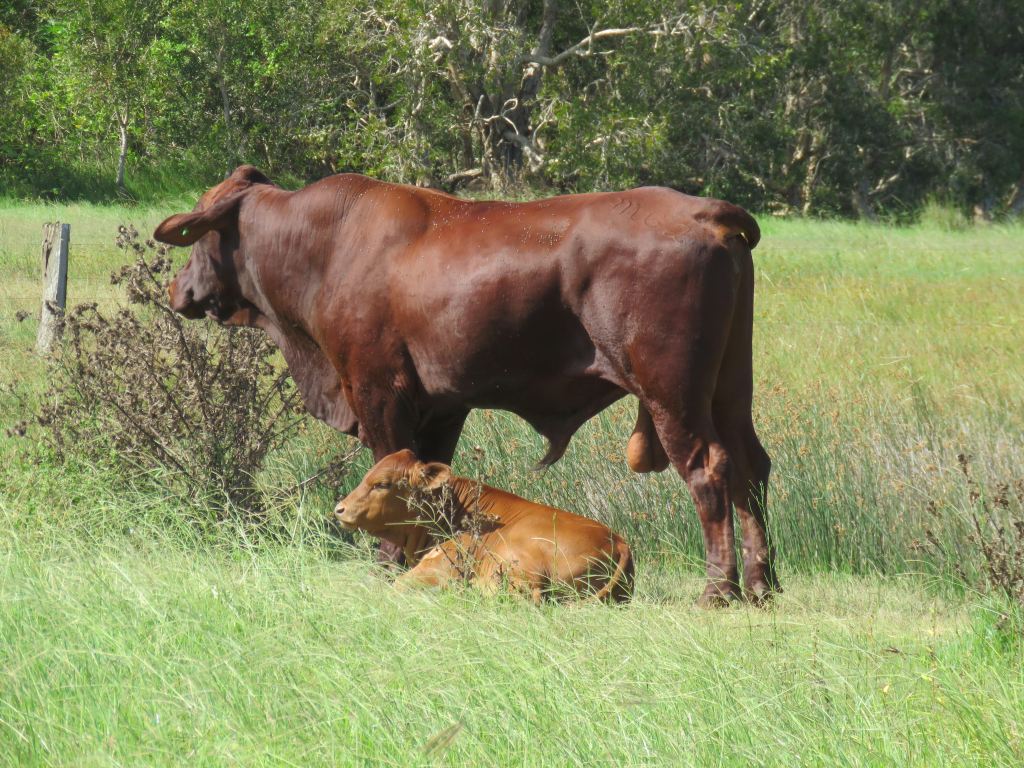
 Bellevue Belmonts